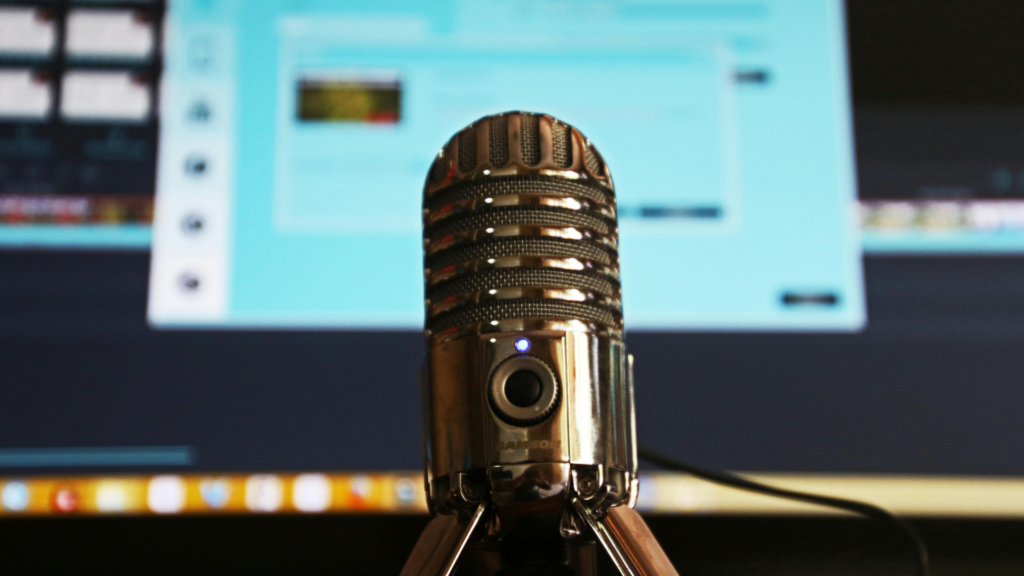
Podcast series as a content compass: topics, structure, and distribution
Marketing
Posted 04 Dec 2025
Podcasts are everywhere: on the train, while jogging, and in the office. But while many podcast series are well-planned in terms of topics, structure, and distribution, a surprising number of formats fail after just a few episodes. Why? Because they lack direction. A successful podcast involves more than just talking; it’s about strategic storytelling, brand building, and creating a content hub whose impact extends far beyond the audio file. Those who think of podcasts as a series rather than a collection of individual episodes can tap into a communication tool that increases reach, strengthens loyalty, and provides content for months. But how do you navigate topic selection, structural pitfalls, and distribution challenges?
Before the first episode is created, clarity is needed: What does this podcast stand for? Many start with a vague idea – “We’ll do something about innovation” or “We’ll talk to interesting people” – and then wonder why their audience is fragmented. The key is to define a thematic universe that is broad enough to support diversity, yet clear enough to create recognition value. Successful podcast series work with thematic pillars: three to five core areas that run like a common thread through all episodes. A tech company, for example, could define innovation, work culture, and sustainability. Each episode ties in with at least one of these pillars. This creates a pattern – listeners know what to expect, yet there is still room for fresh perspectives. Another lever is the editorial plan. Instead of improvising episode by episode, it’s worth planning a quarter: What fits the season? Which product launches, events, or campaigns can be incorporated? Strategic planning turns the podcast into a content compass and provides material for social posts, blog posts, or newsletters.
Good news for anyone who sighs inwardly at the word “production”: a clear structure makes everything easier. Successful series rely on recurring elements that provide orientation and standardized production.
One possible setup:
These building blocks can be recorded in a template. This not only saves time but also increases the recognition value that characterizes strong formats. Micro-formats within the series can provide variety without disrupting the structure. In addition to the classic 30-minute interview episodes, there could be a “deep dive” episode every two weeks in which a topic is examined in particular depth and detail – a kind of technical magnifying glass. “Quick Takes” are suitable for in between: short, pointed assessments in around ten minutes that provide a quick perspective without much context or guests. Modern tools such as Descript, Riverside, or Auphonic take a lot of the technical work off your hands. Automatic transcription, noise reduction, and AI-supported editing suggestions make production more efficient and free up time for what really matters: content.
This is where the wheat is separated from the chaff: if you only publish your podcast on Spotify and Apple Podcasts, you are wasting enormous potential. The real magic lies in repurposing, i.e., the art of reworking existing content and converting it into a wide variety of formats. This turns a single episode into a content gold mine that can be transformed into social clips, blog posts, newsletter highlights, or quote cards. The simplest form: audiograms. Tools such as Headliner or Wavve transform striking quotes into animated videos that are ideal for LinkedIn, Instagram, or X. A 60-second clip can achieve more reach than the episode itself. The second essential discipline is SEO-optimized blog posts. Google loves text, but audio remains invisible. Those who transcribe their episodes and publish them on their website tap into organic traffic and make their content accessible to readers. Integration into the newsletter also plays a role: a summary, the three most important insights, and a link to the episode. This is perfect for keeping subscribers active. And then there are quote cards – visual snippets with strong statements from the guest. Canva or Adobe Express make this possible in minutes.
Strategy is only valuable if you check whether it works. Podcast analytics are much more precise today than they were a few years ago. Tools such as Spotify for Podcasters and Chartable provide insights into listener behavior, bounce rates, and target groups. Important metrics:
Podcasts have long since ceased to be a niche product. When implemented optimally, they are a fully-fledged communication tool that builds reach, authority, and community. The key to success is a strategic approach with clear thematic pillars, a recognizable structure, and consistent repurpose across all channels. Those who view their podcast as a series rather than a loose collection of individual episodes create a content compass that provides orientation and creates long-term value. Especially now, as audio content continues to grow and listeners become more selective, it is worth refining your podcast strategy or finally getting started. And if you need support—from conception to production to distribution—feel free to contact us at HBI. Just write to vibes@hbi.de, and we’ll work with you to develop your podcast compass.

Junior Communication Consultant at HBI Communication Helga Bailey GmbH
Annika Müller has been supporting HBI in the areas of PR and marketing since 2022. As a Junior Communication Consultant, her responsibilities include the creation of professional articles and the conceptualization of social media postings.
Furthermore, Annika is involved in directly assisting our client work.